
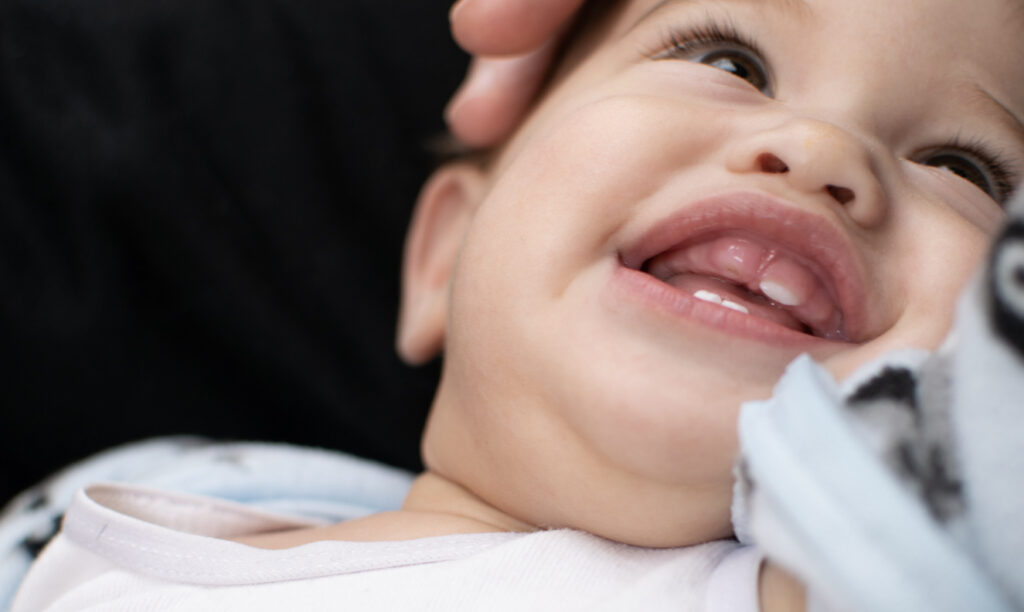
If your baby has suddenly become fussy, is chewing on everything in sight, or isn’t sleeping as well as usual, you may be wondering:
“Is this teething…or could it be something else?”
You’re not alone! It’s one of the most common questions parents ask, especially during a baby’s first year. While teething can certainly make little ones uncomfortable, many symptoms that are blamed on teething are actually signs of illness.
At Kids Smiles Pediatric Dentistry, we help families throughout Tampa Bay understand what’s normal during teething and when it’s time to seek medical care.
Quick Answer
Wondering if it’s really teething? Here’s the short version:
Your baby is likely teething if they’re 4–7 months old and have:
- Drooling more than usual
- Chewing on everything
- Swollen or tender gums
- Mild fussiness or changes in sleep
- Teething symptoms usually last 3–5 days before a tooth appears.
It’s probably not just teething if your baby has a fever of 100.4°F (38°C) or higher, vomiting, persistent diarrhea, trouble breathing, or seems unusually sleepy. Contact your pediatrician if those symptoms occur.
Bottom line:
- Drooling, chewing, & sore gums is likely teething.
- High fever or significant illness means it’s time to call your pediatrician.
When Does Teething Start?
Most babies begin teething between 4 and 7 months of age, although every child develops on their own timeline. Some babies cut their first tooth as early as 3 months, while others may not see one until after their first birthday.
The lower front teeth (central incisors) usually appear first, followed by the upper front teeth.
It’s important to remember that teething symptoms often begin a few days before a tooth actually breaks through the gums, which can make it difficult to know exactly what’s causing your baby’s discomfort.
Common Signs of Teething
If your baby is teething, you may notice several of these symptoms:
- Excessive drooling
- Constant chewing on fingers, toys, or blankets
- Swollen or tender gums
- Mild fussiness or irritability
- Changes in sleep patterns
- Reduced interest in eating because of sore gums
- Rubbing their cheeks or pulling at their ears
- A slight increase in body temperature (but not a true fever)
Every baby experiences teething differently. Some seem barely bothered, while others may be uncomfortable for a few days before each new tooth appears.
How Long Do Teething Symptoms Last?
One of the most searched questions from parents is:
“How long do teething symptoms last?”
For most babies, teething discomfort lasts about three to five days before the tooth erupts, although mild gum sensitivity may continue for another day or two afterward.
Since babies get multiple teeth over several years, teething can seem like an ongoing process. However, each individual tooth typically causes symptoms for only a short period.
If your baby has been uncomfortable for more than a week or their symptoms are getting worse instead of better, teething may not be the cause.
Teething or Sick? Here’s How to Tell
This is where many parents get confused.
Because teething often happens during the same stage when babies begin exploring the world—and picking up more germs—it’s easy to assume every symptom is related to new teeth.
Here’s a simple guide:
| Likely Teething | Likely Illness |
| Drooling | High fever (100.4°F or higher) |
| Chewing on everything | Persistent cough |
| Mild fussiness | Vomiting |
| Swollen gums | Diarrhea lasting more than a day |
| Brief changes in sleep | Rash not related to drool |
| Mild decrease in appetite | Extreme lethargy |
While teething can make babies cranky, it should not cause significant illness.
If your baby develops severe symptoms, it’s best to contact your pediatrician rather than assuming it’s teething.
Does Teething Cause a Fever?
This is probably one of the biggest teething myths.
Current research shows that teething may cause a slight rise in body temperature, but it does not cause a true fever.
A temperature of 100.4°F (38°C) or higher is considered a fever and should not be blamed on teething alone.
If your baby has a fever, especially along with coughing, vomiting, diarrhea, or unusual sleepiness, they may have an infection or another illness that needs medical attention.
Safe Ways to Soothe Teething Pain
The good news is that there are several simple ways to help your baby feel more comfortable.
Try:
- A clean, chilled (not frozen) teething ring
- Gently massaging the gums with a clean finger
- A cool, damp washcloth for chewing
- Extra cuddles and comfort
- Age-appropriate pain relief if recommended by your pediatrician
Avoid teething necklaces or bracelets, as they can pose choking and strangulation hazards. It’s also best to skip products containing benzocaine unless specifically directed by your healthcare provider.
When Should I Call My Pediatrician?
While teething is a normal part of growing up, it’s important to know when symptoms point to something more serious.
Contact your pediatrician if your baby has:
- A fever of 100.4°F or higher
- Difficulty breathing
- Persistent vomiting
- Ongoing diarrhea
- Refuses to eat or drink for an extended period
- Signs of dehydration
- Symptoms lasting longer than expected or becoming worse
- Extreme sleepiness or difficulty waking
Trust your instincts. If something doesn’t seem right, it’s always okay to call your child’s healthcare provider.
Don’t Forget Your Baby’s First Dental Visit
Many parents wait until all the baby teeth are in before scheduling a dental appointment, but that’s actually much later than recommended.
The American Academy of Pediatric Dentistry recommends that children see a pediatric dentist by their first birthday or within six months of the first tooth appearing.
Early visits allow us to:
- Make sure teeth are developing properly
- Answer questions about teething and oral development
- Discuss healthy feeding habits
- Review brushing techniques
- Help prevent cavities from the very beginning
At Kids Smiles Pediatric Dentistry, we know those first years come with plenty of questions—and we’re here to help every step of the way.
Whether you’re wondering if your baby’s fussiness is teething or simply want guidance on keeping those first little teeth healthy, our friendly team is happy to support your family with compassionate, kid-focused care.
FAQs About Teething
How do I know if my baby is teething?
Common signs of teething include drooling, chewing on objects, swollen gums, mild fussiness, and changes in sleep. Symptoms usually begin a few days before a tooth erupts.
How long does teething pain last?
Most babies experience discomfort for about three to five days before a tooth breaks through the gums. Mild soreness may continue briefly afterward.
Can teething cause a fever?
Teething may slightly raise your baby’s temperature, but it should not cause a true fever of 100.4°F (38°C) or higher. A fever may indicate an illness and should be evaluated by your pediatrician.
What are the first signs of teething?
The earliest signs of teething often include increased drooling, chewing on hands or toys, swollen gums, and mild irritability.
When should I call my pediatrician instead of assuming it’s teething?
Call your pediatrician if your baby has a fever, persistent vomiting, ongoing diarrhea, difficulty breathing, dehydration, or symptoms that seem severe or last longer than expected.
When should my baby first visit the dentist?
Children should see a pediatric dentist by their first birthday or within six months of the first tooth erupting. Early visits help establish healthy oral habits and monitor dental development.